
Publish Date:
30 April 2025Keywords:
19% increase in women supported by Women’s Refuge since 2017
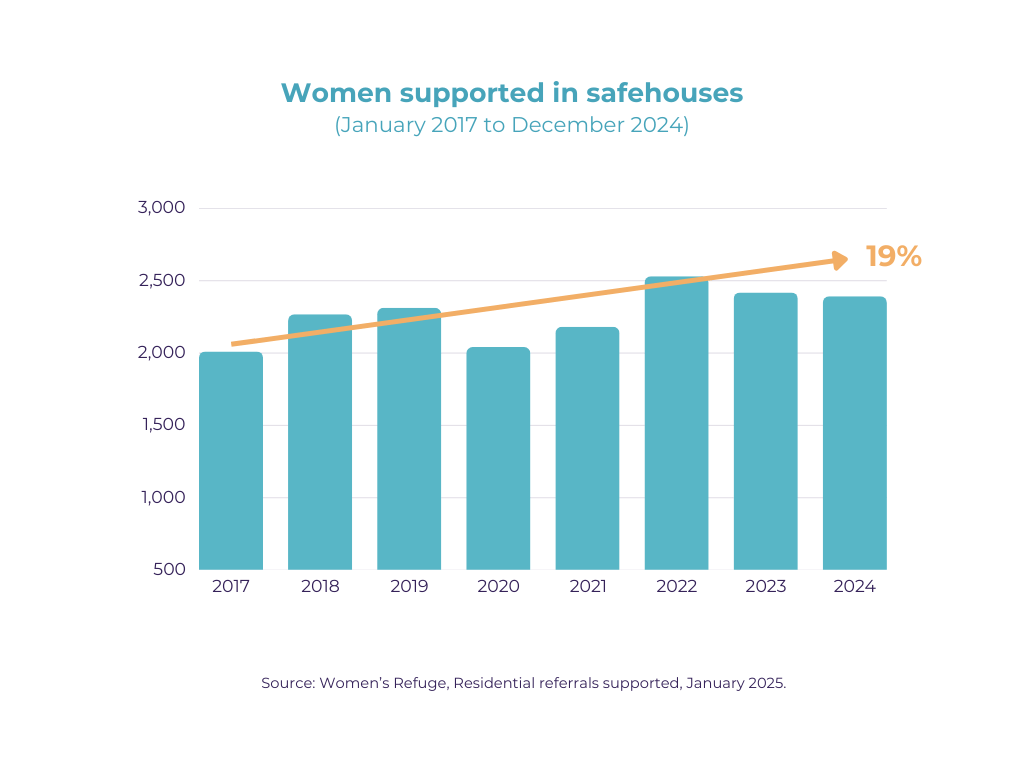
Women and children experiencing unsafe housing situations are often captured within homelessness data when they leave unstable or unsafe home environments. Data from Women’s Refuge indicates a 19% increase in the number of women seeking support since 2017.
Women’s Refuge plays a critical role in supporting women and children experiencing housing instability. The increase in demand for these services reflects a growing need for safe and stable housing options for women and their children.
Sustainable housing solutions are essential to support vulnerable women and children. A place to call ‘home’ provides a safe, healthy, and happy environment for them to thrive across all social determinants and areas of life.
We are deeply appreciative of the Women’s Refuge for providing us with this data and for the invaluable work they do for women around Aotearoa New Zealand.
Current housing responses do not consistently reflect the needs of women
Women make up a significant proportion of people experiencing homelessness in Aotearoa New Zealand. However, housing responses have often been designed around general population needs, with less focus on the specific experiences of women, including caregiving responsibilities and exposure to family and sexual violence.
Research
A comprehensive research undertaken by the Coalition to End Women’s Homelessness in 2024, Ngā Ara ki te Kāinga: Understanding Barriers and Solutions to Women’s Homelessness in New Zealand, highlights a range of barriers that affect women’s housing stability, particularly for wāhine Māori, Pacific women, single mothers, and older women. These patterns are reflected across the data and indicate the need for responses that are better tailored to different groups.
Key statistics and findings of the analysis (based on data from 2018 Census) found that severely housing deprived women were not only most likely to be Auckland based, it also revealed that:
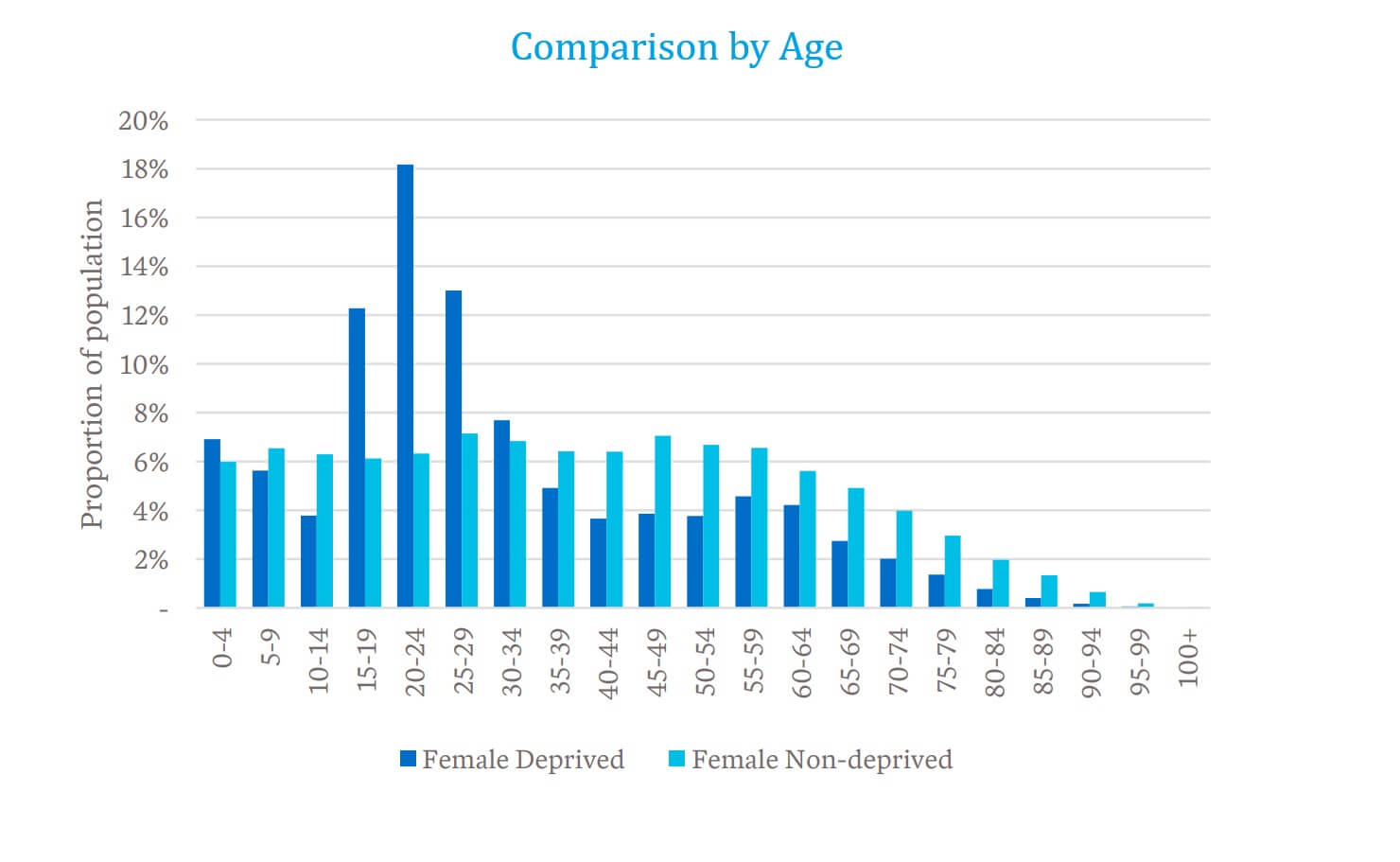
Younger women and those aged between 55-65 were most likely to experience severe housing deprivation.
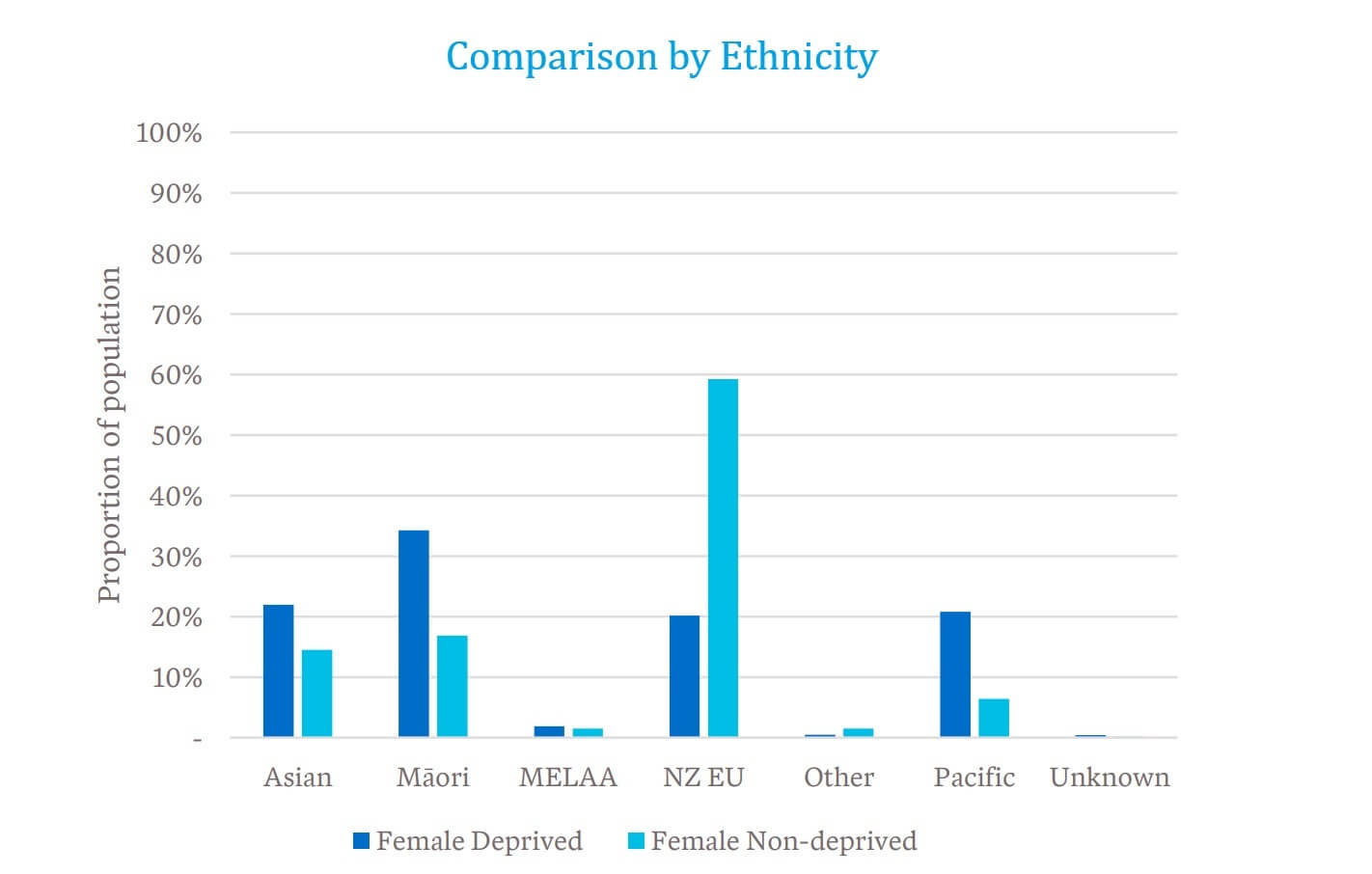
Wāhine Māori were over-represented and disproportionately impacted, with over one third of homeless women in New Zealand identifying as Māori.
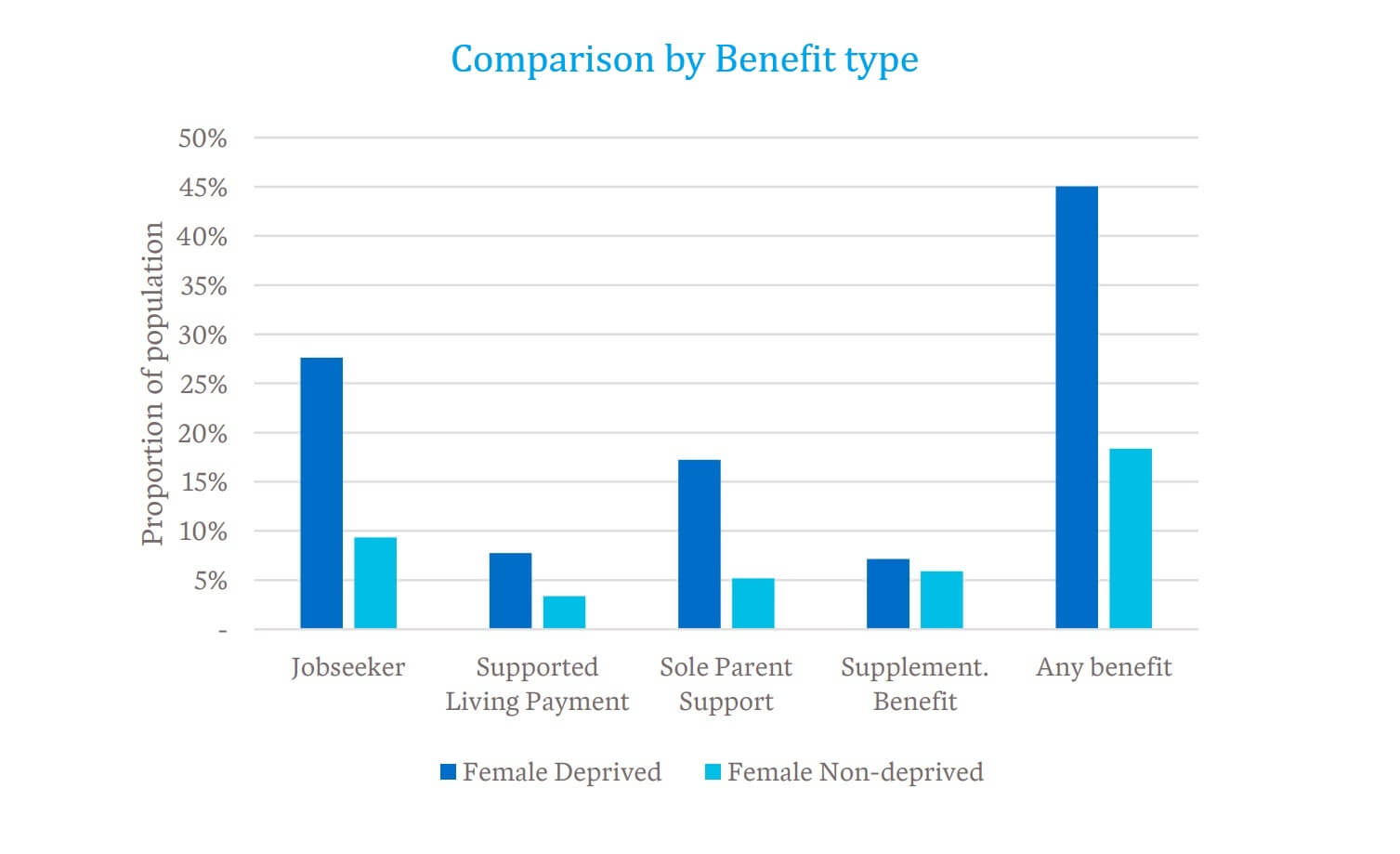
Many of the women were caring for children, alone, as demonstrated by high levels of sole parent benefit receipt.
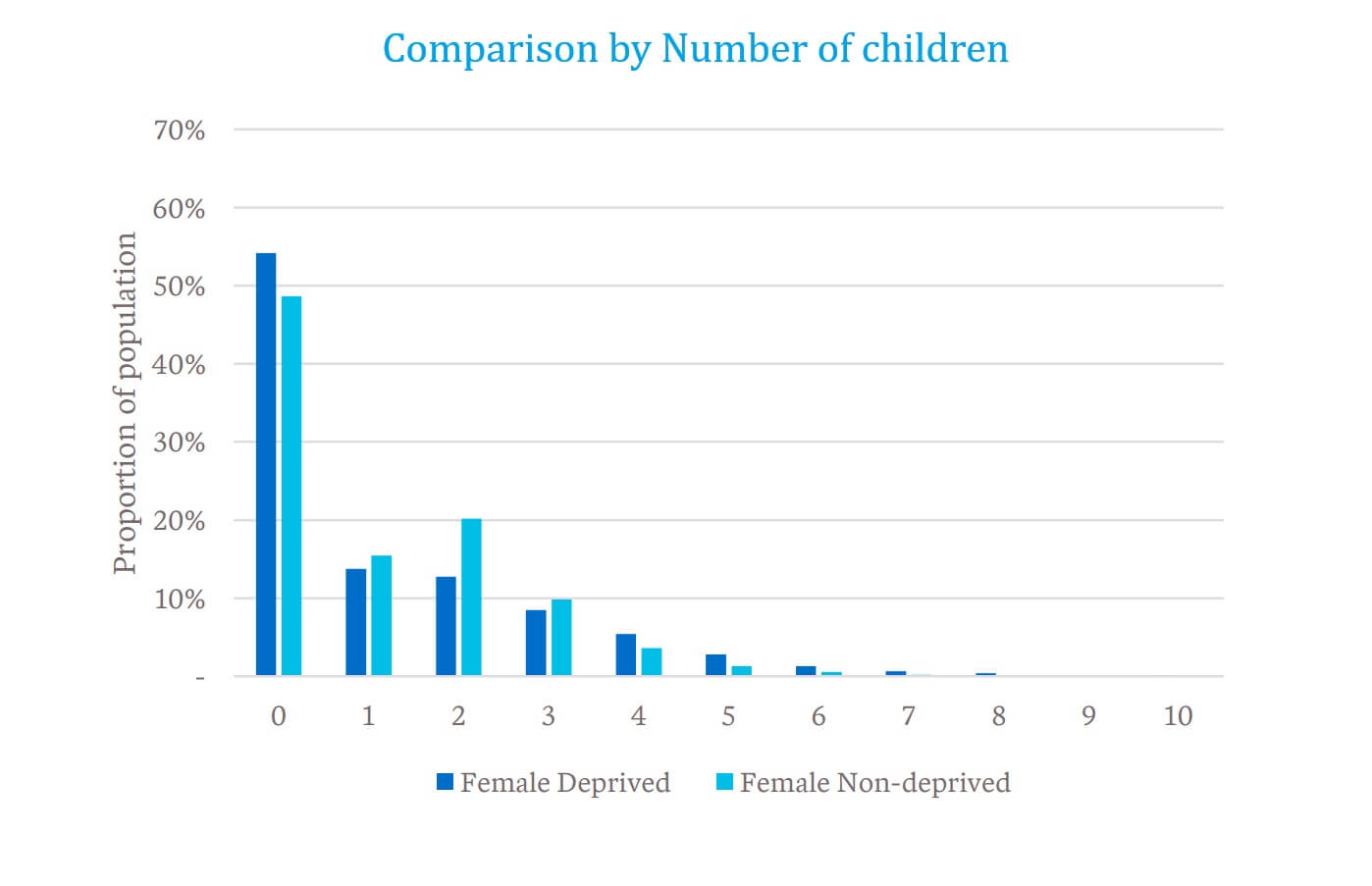
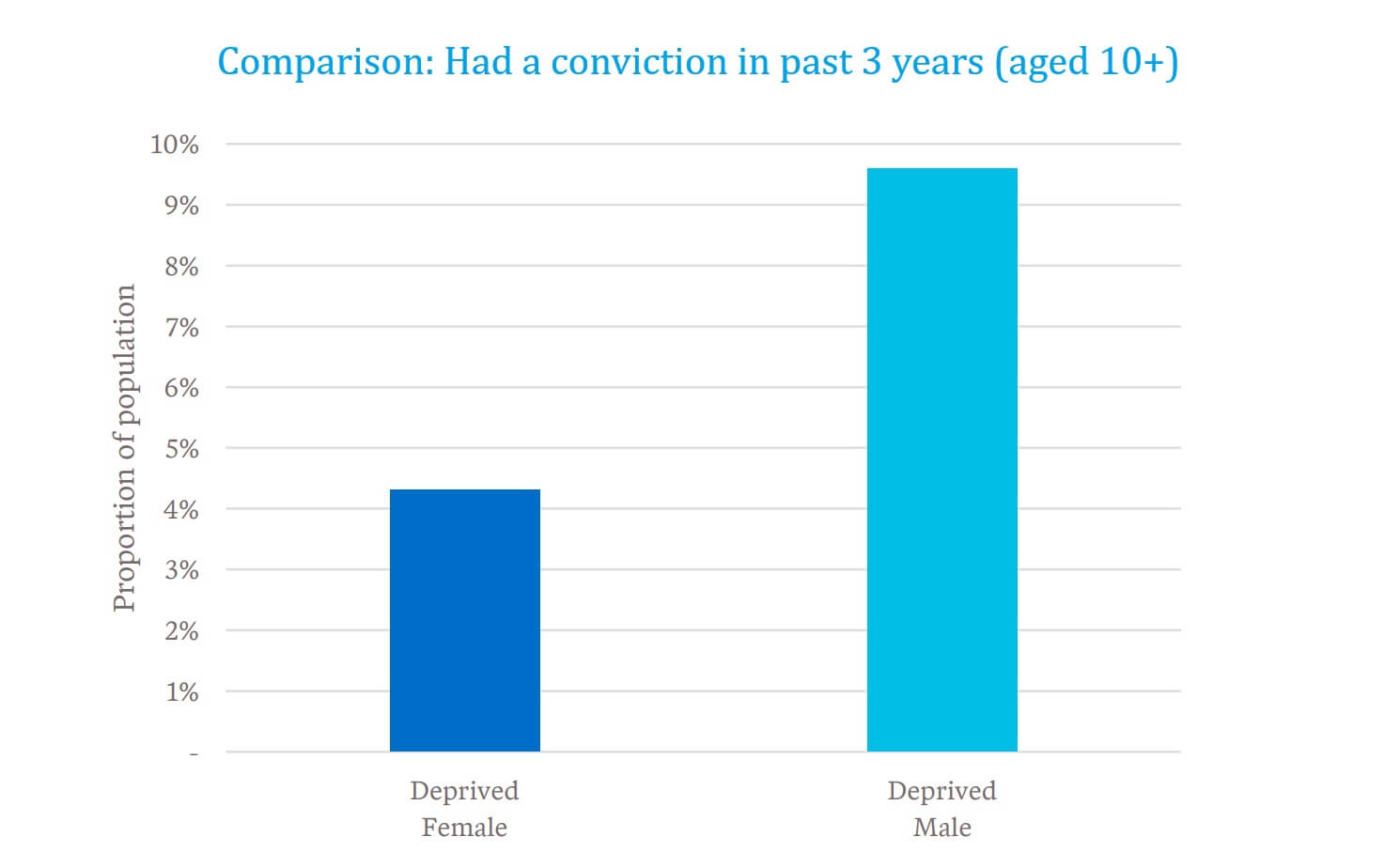
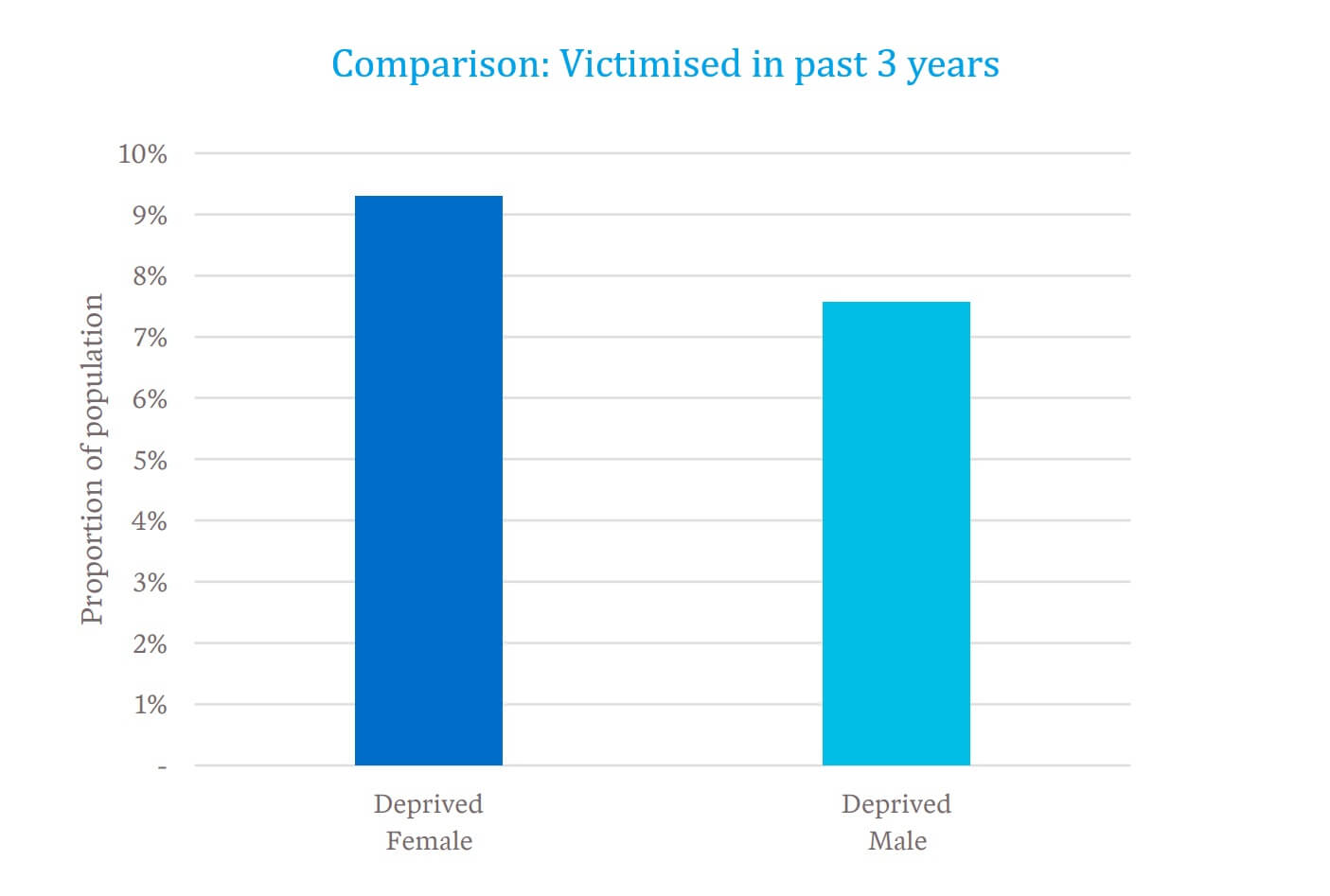
And the data indicates that severely housing deprived women were less likely to interact with the criminal justice system as an offender and more likely to report a victimisation than housing deprived men.
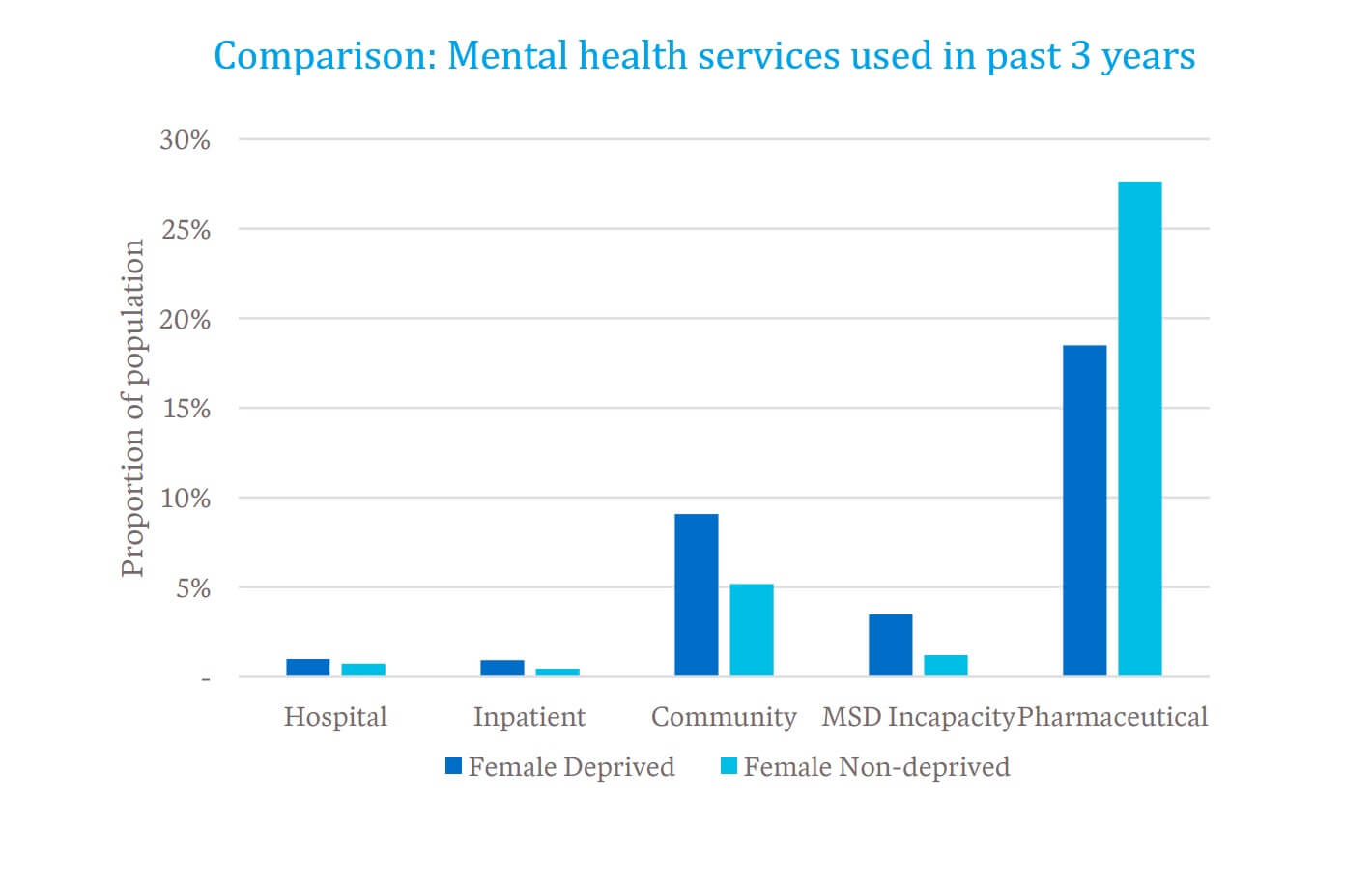
They were also less likely to receive pharmaceutical prescriptions related to mental health conditions than other women but more likely to rely on community-based mental health intervention and benefit receipt related to mental health.
In a further report, comparing IDI data from 2023 with 2018, key findings of note were:
- Housing deprived women are more likely to report being a victim of crime in 2023 than in 2018
- Overall prevalence has remained about the same
These findings highlight the importance of safe, stable housing and targeted support for women and children. Strengthening responses in this area remains an important opportunity across the housing and support system.
Data Source: Ngā Ara ki te Kāinga: Understanding Barriers and Solutions to Women’s Homelessness in Aotearoa, 2024.
Sincere thanks to the Coalition to End Women’s Homelessness for graciously sharing your insights and data and for your critical work to advocate for a housing system that better supports and serves women across Aotearoa.
